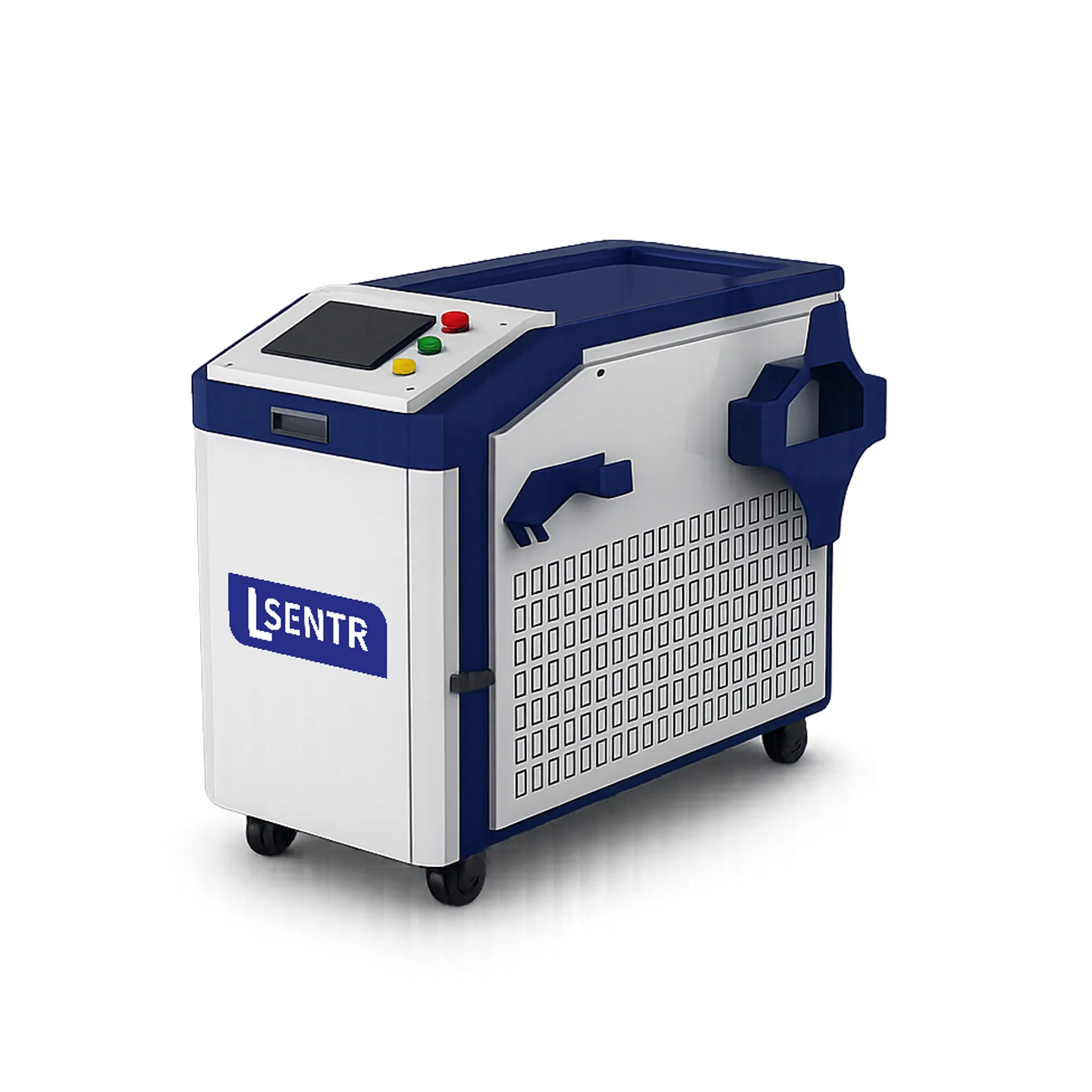
Handheld Fiber Welding
Review the joint, fit-up and work-area requirements for manual welding applications.
Explore handheld welding
STR jewelry YAG welding · Review the alloy, the repair and the final polished piece.
STR lists a microscope-equipped YAG jewelry laser welder for fine joining and repair. Match the alloy, joint or missing-material condition, filler and access to the offered system. Assess the result after the required shaping and polishing, with special review for stone-set, plated or previously repaired pieces.
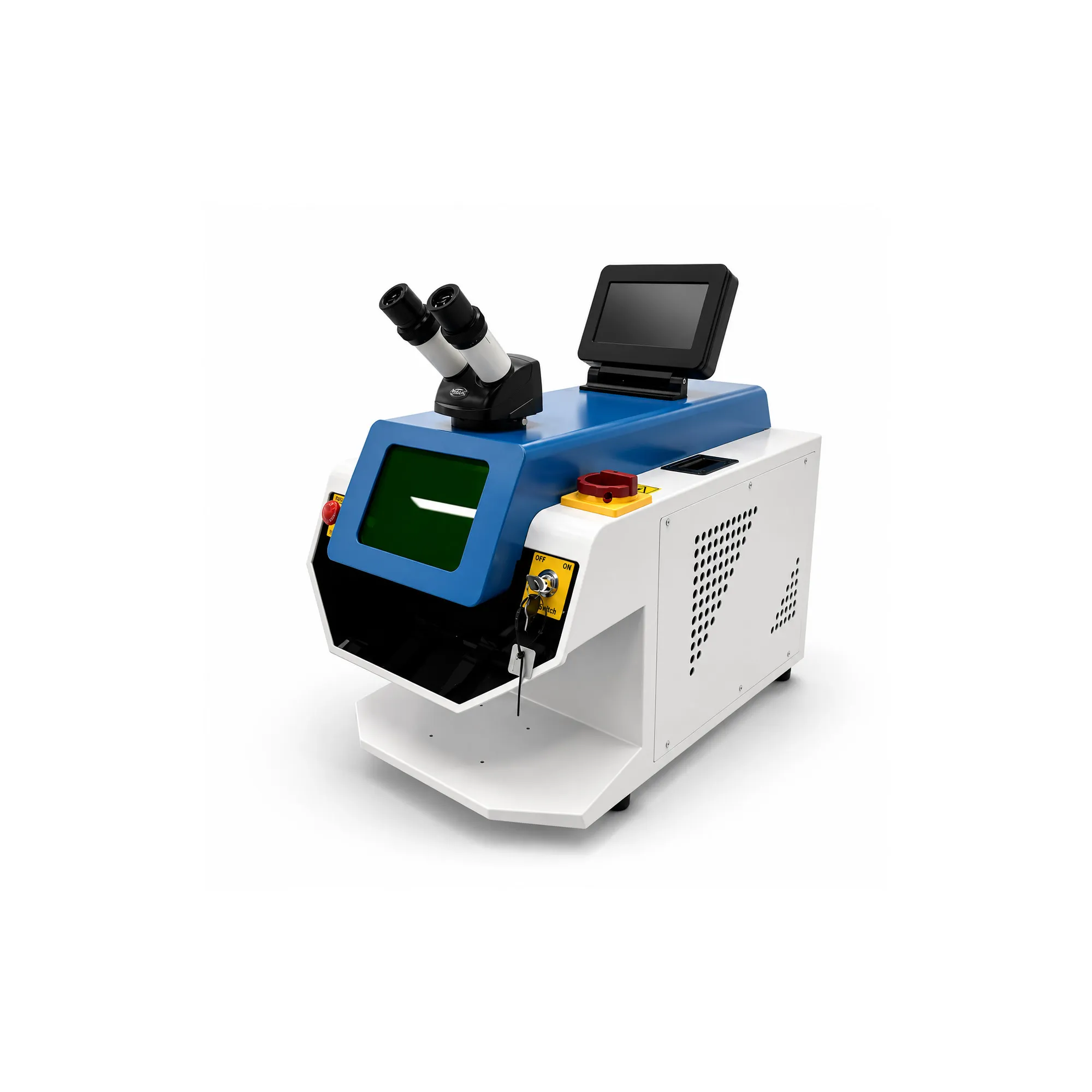
Original STR image with labeled details from the same source. Request the exact viewing, laser, cooling and accessory specification for the offered model.
Configure fine joining and repair around the actual alloy and feature.
Include dimensions, photographs or drawings, previous repair information and the required final finish. Identify gemstones, treatments, plating or other nearby materials for review.
Jewelry welding selection involves more than a small spot. The alloy, remaining section, joint access, filler and nearby materials all belong in the trial. Viewing and work support must let the operator locate the feature consistently and inspect the result.
Review the contact geometry, alignment and intended function of small components. Confirm the required joint result and any subsequent shaping or finishing.
Separate a crack or joint repair from replacement of worn or missing material. Assess the condition of the parent metal and whether the proposed repair is appropriate.
Inspect color, contour and surface condition after the same polishing or plating route used for the real piece. An as-welded spot is only an intermediate result.
Record alloy, fineness, prior repairs and nearby materials.
Document joint, missing material, access and required finish.
Use representative material, filler and the offered system.
Check the agreed joint and final appearance.
The STR catalogue lists YAG, microscope observation and a 100–200 W power range. Treat this as a product-family reference. Ask for the exact model, the meaning of the rated output and the usable pulse envelope for the offered build.
| Item | Definition required in the offer |
|---|---|
| Model and laser output | Model/revision, YAG source details, rated-power definition, pulse energy/duration, spot range, repetition capability and applicable duty limits. |
| Viewing and alignment | Microscope specification, adjustable focus, observation/aiming alignment, illumination and any camera/display option. |
| Working access | Usable workpiece/fixture space, approach to fine features, hand/tool support and the viewing position for the intended piece. |
| Material and filler | Qualified alloy/fineness and section conditions, compatible filler wire, gas/shielding accessories and representative trials. |
| Cooling and utilities | Cooling method/equipment, electrical input, environmental requirements, extraction and any gas supply conditions. |
| Protection and documentation | Rated observation protection, protective controls, instructions, operator training and service responsibilities for the complete system. |
| Supply and acceptance | Included optics/nozzles/accessories, wear/service items, sample acceptance, finishing scope and commercial terms. |
A wattage label is not a pulse-energy value, a maximum repair depth or a weld-strength rating. No pulse range, spot size, duty cycle, magnification or material limit is established by the catalogue image.
Select a task to see what the trial needs to establish. These are evaluation scenarios, not a verified STR repair list or operating procedure.
Provide the two alloys, contact geometry, section size, alignment and available viewing/working access.
Ring alterations, chain or clasp features, worn details and casting defects are different application questions. Send the actual piece geometry; a successful weld on one easy-access coupon does not qualify every feature or alloy.
Industry background: the University of Cambridge’s Rofin-supplied jewelry welding demonstration describes pulsed Nd:YAG heating and fine-wire buildup. It illustrates a process principle, not a test of the STR machine or a qualified repair.
| Quantity | What it describes | What to verify in the offered system |
|---|---|---|
| Pulse energy | Energy delivered in an individual pulse. | Usable range and output definition under the actual source, optics and operating conditions. |
| Pulse duration / shape | How the pulse is distributed over time. | Adjustable functions and their relationship to the intended alloy, section and sample result. |
| Spot diameter / focus | The area over which the energy is delivered at the work. | Usable focus/spot range, alignment with observation and access to the real feature. |
| Repetition and duty | How pulses can be repeated within the equipment’s operating limits. | Sustained operating conditions, cooling and the representative job rather than a maximum label alone. |
These quantities describe different parts of the process. Compare them together and keep model-specific output definitions clear. A smaller visible spot or a higher average power label alone cannot establish penetration, distortion or finish.
Request settings and sample records for the actual alloy and task from the supplier’s qualified process. This page provides selection information, not a pulse recipe for a valuable piece.
Send the known composition or trade specification, fineness, color and material condition. Gold, silver and platinum names cover different alloys; qualification on one grade does not establish all of them.
Agree filler composition and size with the proposed repair. Check parent-metal fusion and the final color/finish; a wire with a similar trade name is not automatic proof of compatibility.
Disclose prior solder, filler, plating and uncertain repairs. A professional assessment of the parent metal and coatings belongs before the equipment trial.
Provide remaining section dimensions, defect extent and the final contour. Distinguish surface filling from an accepted repair of a load-bearing or functional feature.
Identify gemstones, known treatments, settings, adhesives, enamel, plating and other materials near the proposed repair. The presence of a localized laser process does not make every complete piece suitable for repair with stones left in place.
Have the piece assessed by a qualified jewelry professional and agree whether components must be removed or another repair route used. Establish an appropriate trial on representative material rather than using a customer’s valuable piece as the first process demonstration.
Gemological background: GIA’s treatment overview explains that some gem treatments and fillings require special care around heat and repair. It does not qualify any particular laser repair or establish an STR stone-safe capability.
Try a representative part with the offered optics, illumination and work support. Confirm a comfortable viewing position, usable focus and clear access for the part and filler where required.
The image shows a microscope and display. It does not establish magnification, a fitted camera, measurement accuracy or the protective rating of the optical path.
Use the real feature and intended fixture to review chamber space, orientation, viewing and hand/tool clearance.
Agree how work is supported and located through joining or buildup. Include repositioning and inspection in the practical cycle.
Obtain the viewing-system and window protection specifications, protective controls and training for the actual laser system. Microscope magnification alone is not a protection rating.
Retain the configuration, approved process, alloy/filler and sample identity, including changes to optics, fixture or final finishing.
Agree the task, trial material, filler, supplied equipment and finished-result criteria. The catalogue image is not a repair sample or qualification record.
| Check | Evidence to keep |
|---|---|
| Material and condition | Alloy/fineness, section dimensions, prior repair or surface condition, filler and any nearby materials. |
| Access and setup | Part support, viewing/focus, feature reach and any repositioning used with the offered system. |
| Joint or buildup result | Agreed fusion, contour, remaining dimensions, visible defects and any required functional or other examination. |
| After finishing | Appearance, color, surface condition and dimensions after representative shaping, polishing or plating. |
| Repeat work | Identifiable repeated pieces, consistency, inspection and any rework or rejected repair. |
| Complete bench time | Assessment, preparation, setup, welding/buildup, inspection, finishing and material changes measured separately. |
A filled surface or a polished seam does not by itself establish internal fusion or the strength of a clasp, prong or joint. Agree appropriate inspection and functional checks for the actual piece and intended use.
| Reference | Selection focus | Keep in the comparison |
|---|---|---|
| Jewelry YAG laser welding | Fine joining and localized repair under the offered viewing and pulse system. | Alloy/filler, access, qualification, finishing and complete bench time. |
| Existing soldering or repair route | The appropriate method for the actual joint and complete piece. | Preparation, nearby materials, finish, skill and required result; no universal replacement claim. |
| Handheld fiber laser welding | A different joining format and work area for its qualified applications. | Do not transfer power, torch format or process ranges to the jewelry YAG machine. |
| Mould repair equipment | A separate repair task involving tool geometry and material requirements. | Workpiece access, filler, buildup and final surface defined for that equipment. |
Choose from the task and accepted result. A repair machine is not automatically a laser engraving, marking, stone-processing or cutting system; additional processes need their own qualified configuration.
Obtain the ordered footprint, bench/support needs, operator position and service clearances. Confirm workpiece capacity using real parts rather than the visible opening.
Confirm cooling method, electrical input, ambient limits, gas/shielding if required and extraction for the actual materials and equipment.
Require documentation of the rated viewing path, window, housing and protective functions. Arrange the installation, operator training and access control for the actual system; visible controls do not certify protection.
Plan filler/part identification, clean work support and tracking of customer pieces. Keep repair assessment and agreed sample approval connected to production use.
Follow the delivered manual for optical cleaning, inspection and service. Do not improvise viewing filters or substitute optics based only on physical fit.
Obtain the actual source and cooling service schedule, including any lamp or other wear parts fitted to the model. The YAG label alone does not establish a specific maintenance BOM.
Identify required filler, shielding accessories and replacement references. Review contamination or changed surface results against the approved process.
Include setup, observation, approved operating/recovery procedure, service responsibility and process backups where supplied. Confirm spare-part availability and quoted service conditions.
Ask for a dated offer listing the laser/source, pulse and observation specifications, cooling, shielding/accessories, work support, consumables, protective documentation, training and sample scope. Record what is excluded.
Agree packing, transport, commissioning, manuals, support contacts, service items, warranty conditions and delivery schedule. Compare costs per accepted piece with preparation, filler, inspection, finishing and rework included. No universal repair speed, zero-damage claim or payback is established by the catalogue power range.
Have the alloy and a repair or joining example?
Prepare a jewelry application reviewIt identifies a jewelry YAG welding machine with microscope observation and a listed 100–200 W range. The exact model, power definition, pulse specifications, optics, cooling and supplied accessories still belong in the technical sheet.
No. Rated power and energy per pulse describe different quantities. Compare pulse energy, duration, spot, repetition and duty conditions together using the exact model definitions.
No universal setting is established here. Identify the actual alloy/fineness, section, filler and repair condition, then qualify the required result on representative material.
Assess the actual stone, treatment, setting and nearby materials with a qualified jewelry professional. Localized welding does not establish that every stone-set piece can be repaired intact.
No. Confirm the offered magnification, focus, display/camera scope and rated protective observation path in the supplier’s documentation.
Accept against the intended function and agreed inspection. Surface appearance alone does not prove internal fusion, remaining section or functional strength.
Those are separate process capabilities. Confirm them only if a specific compatible configuration and sample evidence are supplied; the welding label does not establish them.
Send alloy/fineness, photographs or drawings with dimensions, joining or missing-material details, prior repair/plating information, nearby stones/materials, filler, finish, quantities and destination.
These are different STR configurations. Their source, viewing and process scope are reviewed separately.
Review the joint, fit-up and work-area requirements for manual welding applications.
Explore handheld welding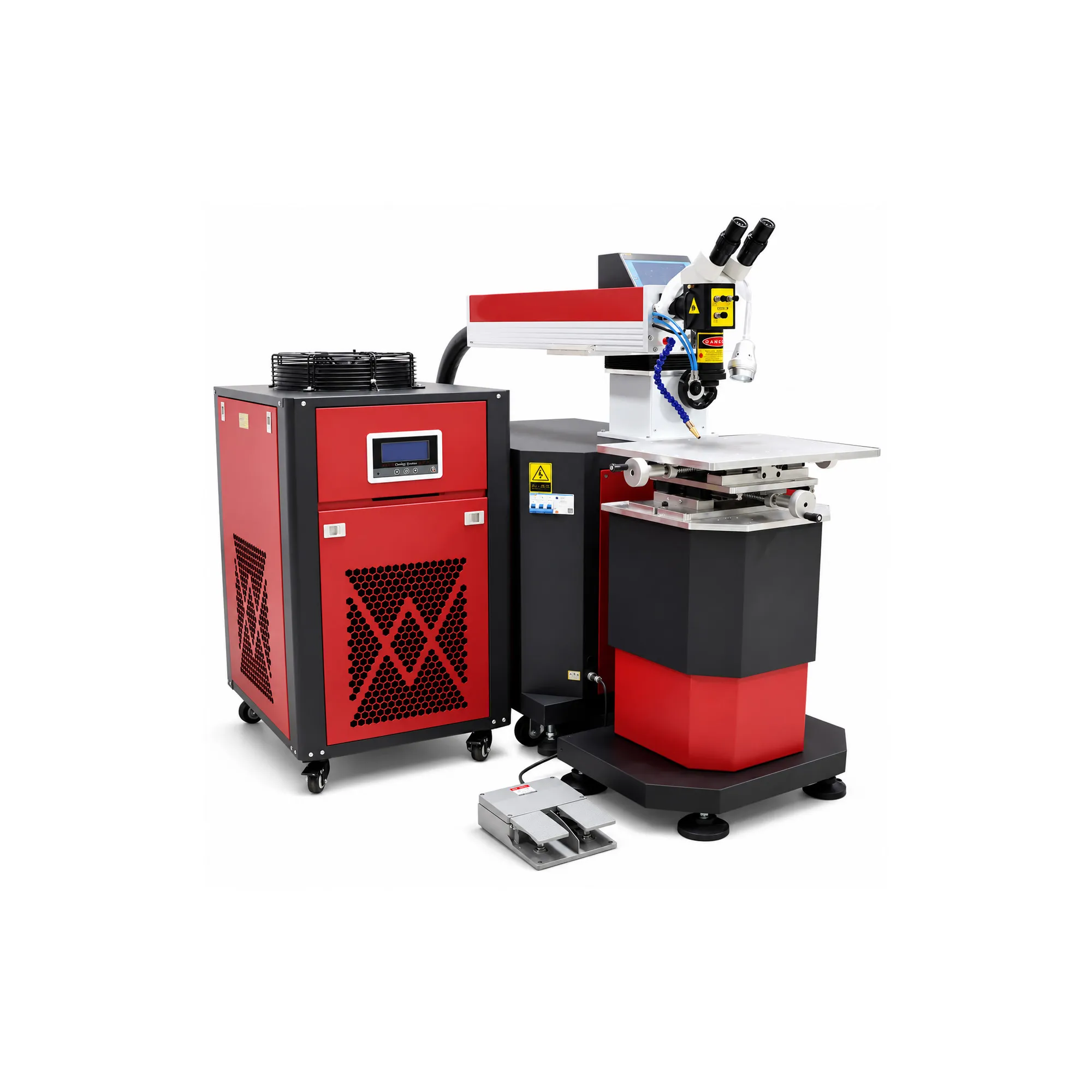
Review localized tool repair, access, filler and the required final surface.
Discuss mould repairSend the alloy, feature and finished-result requirements for a configuration review.
Prepare jewelry requirementsSend the alloy, feature and repair condition. Include dimensions, filler, nearby materials and the required result after finishing.
Prepare and review your requirements summary, then send it through the STR contact page or email. This form does not submit an inquiry.
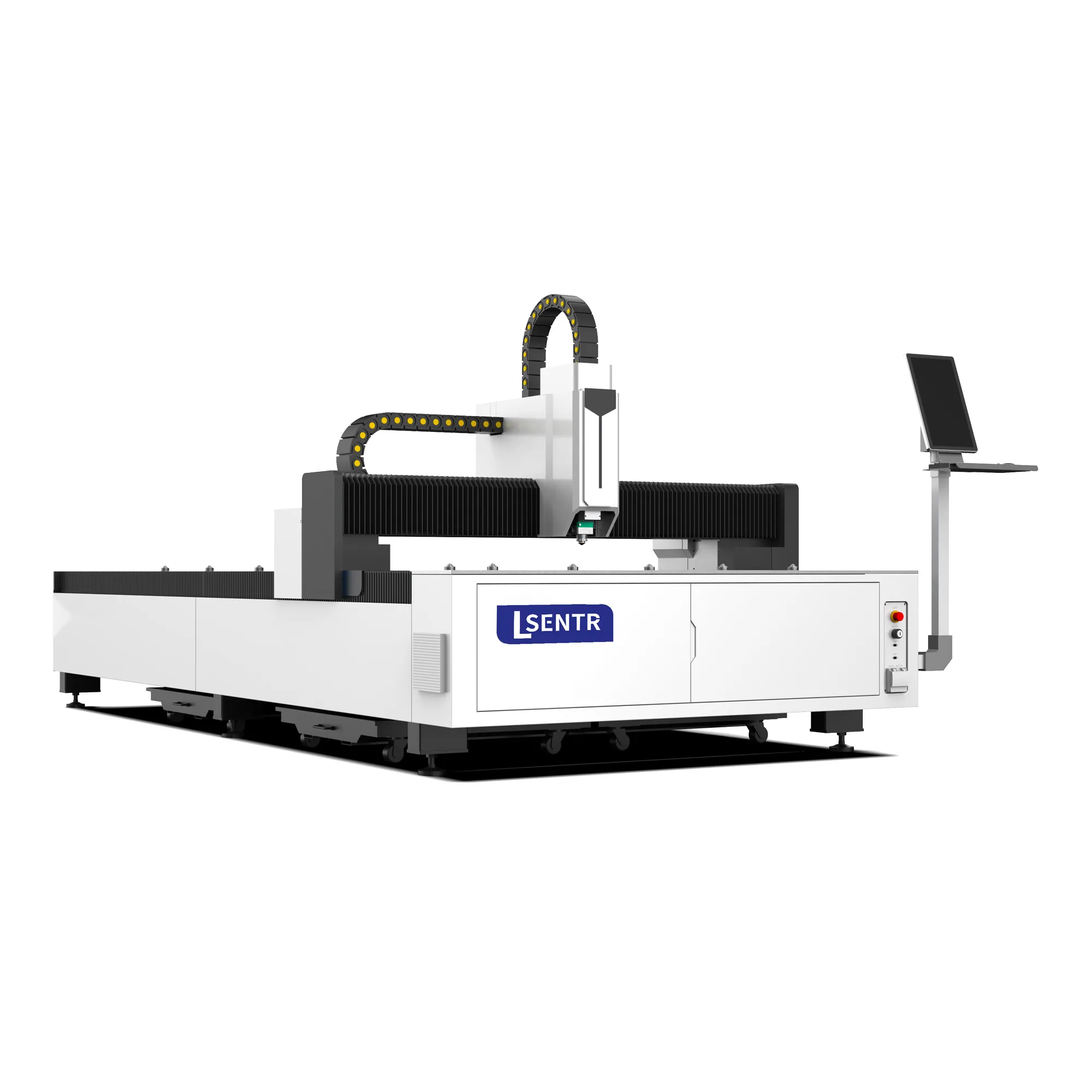
Discuss your application with STR. We supply industrial laser cutting, welding, cleaning and press brake equipment for metal fabrication.
Tell STR what you need to cut. We will review the application and discuss a suitable configuration.