Long finished parts
Confirm support at separation and during recovery, maximum qualified part length/mass and the permitted handling condition. Incoming bar length is not an unloading-length specification.

STR G-SA · Match assisted loading to the complete tube-cutting route.
STR G-SA is the semi-loading configuration in the STR tube range. Review which stock-presentation and transfer tasks the offered package assists, what the operator still does, and how finished parts leave the machine. Use the actual tube mix, batch sizes and changeovers to decide whether loading assistance fits your production.
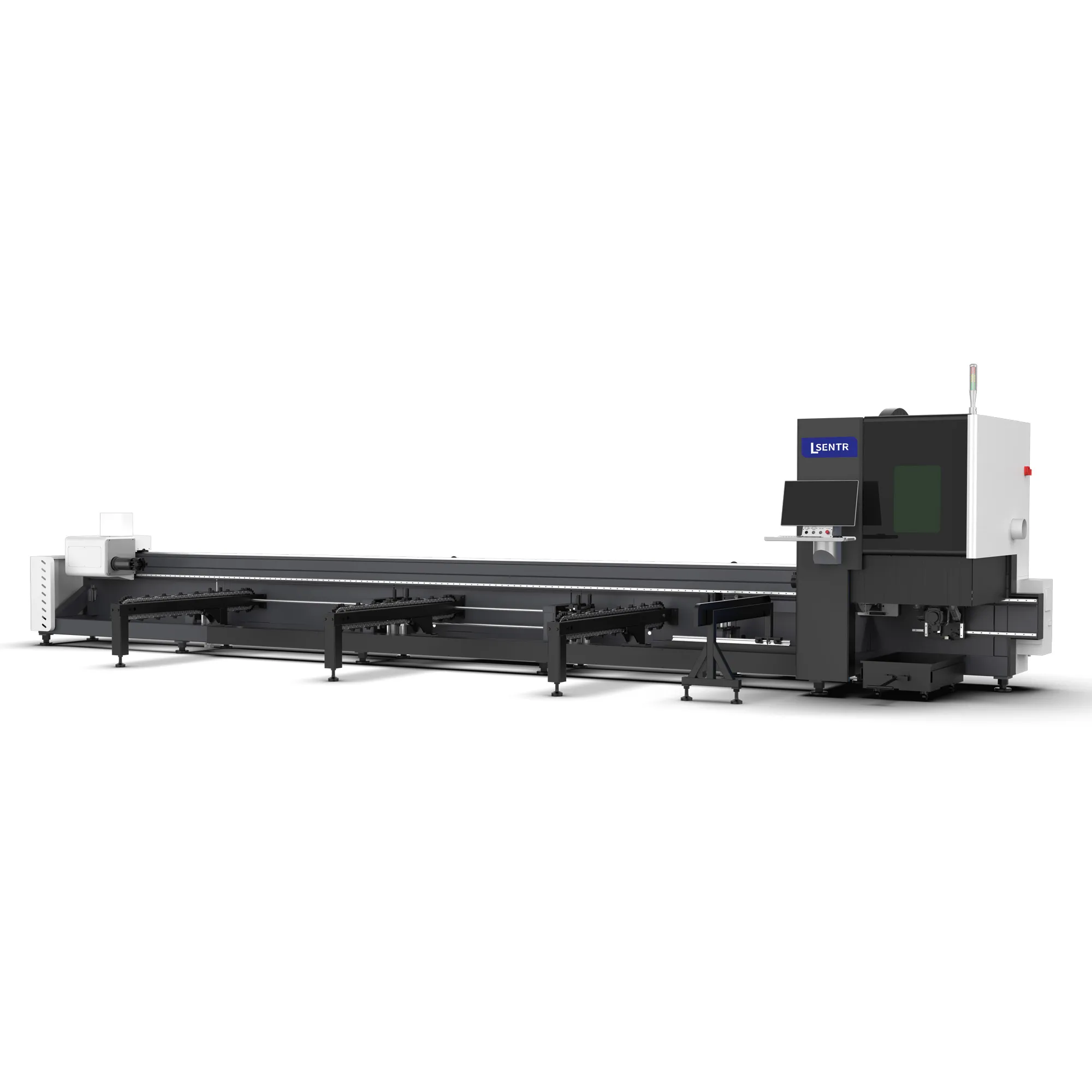
Original G-SA catalogue image with labeled details from the same source. The offer defines the supplied loading mechanism, working envelope and recovery equipment.
Assess the handling assistance around your stock and shift.
Include sections, bar lengths, batch quantities, current handling steps and the required finished parts. Identify frequent material changes and the longest part to recover.
Loading assistance and cutting capability answer different questions. A proposed loader must present compatible stock to the cutting system, while the chucks, support, laser process and recovery arrangement must produce the required part.
Review how stock is replenished and presented between bars, including the remaining operator actions. Check the complete batch rather than one prepared demonstration.
Include section/length changes, settings, tooling and the first accepted part. Assistance that suits a long run needs a separate assessment for small mixed orders.
Account for released-part support, collection, sorting, inspection and offcuts. Loading assistance alone does not establish automatic unloading or unattended operation.
Identify, replenish and orient the required bars.
Define assisted actions and operator confirmations.
Use the specified jaws, support and laser process.
Collect parts, handle remnants and prepare the next job.
Request a G-SA technical sheet and a written scope of supply for the ordered model. Match both the loader's usable range and the cutting machine's qualified range to your required stock.
| Item | Definition required in the offer |
|---|---|
| Model and layout | G-SA model/revision, installation drawing, chuck/support arrangement and loading/recovery access. |
| Permitted stock | Qualified sections, outside size, wall, length, mass and incoming straightness/surface conditions for both loading and cutting. |
| Loading functions | Presentation, singulation if supplied, transfer, positioning, sensing and the confirmations needed from the operator. |
| Buffer and replenishment | Permitted stock arrangement and capacity, replenishment method, mixed-stock restrictions and any separation tooling. |
| Part and remnant recovery | Finished-part lengths and mass, support at separation, collection/sorting and end-of-bar handling. |
| Cutting and software | Laser/head, gas, jaws, support, control, programming/nesting licenses and included process options. |
| Installation and acceptance | Utilities, protection/access, representative batch trial, documentation, training and service responsibilities. |
The public STR reference confirms the G-SA semi-loading identity and original image, not numeric capacity, buffer size, loading speed, labor reduction or included mechanisms. Confirm these for the offered build.
Mark every stage as machine-performed, operator-performed or conditional on the selected option. Identify what starts the transfer, confirms the tube is correctly presented and permits the next operation.
Agree how out-of-range or incorrectly presented stock is identified and recovered using the supplied procedure. A series label cannot establish that sequence.
Select a stage to see the information that belongs in the application review. This guide describes questions, not a verified G-SA control sequence.
Specify how bars arrive, which person or equipment presents them, and what orientation and spacing the offered loading system needs.
Industry context: Wattsan's semi-auto loader description distinguishes loading and unloading compatibility in its own range. This illustrates why the two scopes need separate confirmation; its functions and capacities are not G-SA specifications.
| Stock condition | What to provide and review |
|---|---|
| Round tubes | Outside diameter, wall, length, mass, straightness and surface condition; review how bars are kept in the required presentation. |
| Square and rectangular tubes | Both outside dimensions, wall and corner form; required face/seam orientation, clearances and any loading setup change. |
| Open or special profiles | Full section and part drawings for explicit transfer contact, separation, gripping, support and programming review. |
| Thin walls or cosmetic faces | Permitted contact marks, deformation and scratches through replenishment, transfer, gripping and collection. |
| Mixed incoming lots | Length/section variation, coatings/film, weld bead, identification and whether stock can be mixed in the proposed buffer. |
These are review categories, not a qualified G-SA profile list. Loading range, chuck range, rotating clearance and usable cutting range must all suit the required section; one compatible dimension does not establish the complete route.
List typical quantities and changes per shift. Include clearing previous stock, replacing guides/tooling if required and checking the next first part.
Review replenishment intervals, stock staging and part collection across the whole batch. Observe interruptions as well as continuous cutting.
Separate stock preparation/transfer, cutting and recovery. A shorter loading step changes the full cycle according to the time spent elsewhere. Record operator attention separately from elapsed time; neither automatically establishes the other.
In this deliberately serial example, assume preparation/transfer falls from 45 to 20 seconds, while recovery stays at 30 seconds. Compare an assumed cutting interval of 120 or 30 seconds. All times are invented to explain the calculation, not measured G-SA performance.
Common scale: 200 seconds. Light blue: preparation/transfer · dark blue: cutting · gray-blue: recovery.
| Stage / result | Initial assumption | Changed assumption |
|---|---|---|
| Preparation and transfer | 45 s | 20 s |
| Cutting | 120 s | 120 s |
| Recovery | 30 s | 30 s |
| Total serial cycle | 195 s | 170 s |
The total falls by 25 seconds, or 12.8% of the initial assumed cycle. This is a time calculation, not a throughput or labor-saving claim.
Serial cycle = preparation/transfer + cutting + recovery. Percentage reduction = (initial total − changed total) ÷ initial total × 100. This model excludes overlapping operations, replenishment, setup, stoppages, sorting and inspection. A percentage reduction in cycle time is not the same percentage increase in throughput. Confirm any overlap with the actual control sequence and recorded run.
Time the current route and the proposed route using the same start/end definitions, stock, nest, operator involvement and accepted parts. Include batch changeover and interruptions before comparing daily output or cost.
Send exact material grades, walls and surface conditions. Match laser/head and gas to the required edge and the next welding, coating or machining operation through samples.
Mark datums, hole spacing, face relationships and seam position. Review how orientation is established after loading; automatic seam sensing is a separate option to confirm.
Confirm jaw contact, gripping range, stock/part support and permitted marking. Semi-loading does not establish a particular chuck count or minimum tail.
Provide slots, end forms and joint geometry with permitted inside-wall spatter and cleanup. A loading package does not establish a bevel head or every possible profile feature.
Confirm support at separation and during recovery, maximum qualified part length/mass and the permitted handling condition. Incoming bar length is not an unloading-length specification.
Review collection, sorting and traceability without obstructing the next cycle. Include short pieces and required inspection, not only the longest demonstration part.
Record the actual nest, gripping reserve and final offcut. Establish how residual stock is removed, reused or identified, including any operator step.
Ask for the supplied method of detecting a presentation problem and recovering an interrupted job. Include training, program/material identification and the conditions for restarting.
| Reference | What the label identifies | What still needs confirmation |
|---|---|---|
| G two-chuck | Chuck-count reference. | Actual loading, support, cutting and recovery package; two chucks do not automatically mean manual loading. |
| GT three-chuck | Different chuck arrangement to review for grip transfer and part support. | Travel/transfer functions and handling scope; an extra chuck is not a loading-automation specification. |
| G-SA semi-loading | Semi-loading configuration reference. | Machine/operator tasks, stock envelope, buffer, changes and recovery for the actual build. |
| G-A automatic-loading | Automatic-loading configuration reference in the STR catalogue. | Compatible stock, replenishment, changeover, unloading/sorting and remaining operator actions. |
Compare the same sections, drawings and complete-cycle scope. Use the tube family overview to discuss alternatives. A larger automation package is a separate proposal to evaluate, not an assumed upgrade that fits every job.
Use representative stock and agreed part drawings. Record the machine/loader revision, jaws/guides/support, laser/head, gas, software and operator actions.
| Test | Evidence to record |
|---|---|
| Replenishment and presentation | Actual stock arrangement, orientation, operator task, usable batch and any manual separation or correction. |
| Repeated transfers | Correct presentation and gripping, contact marks, interruptions and recovery over consecutive bars. |
| First and later parts | Length, feature position, face orientation, end condition, wall distortion and inside/outside edges against the drawing. |
| Section change | Tooling/settings, stock clearance, program identification, setup time and the next accepted first part. |
| Recovery and remnants | Longest and shortest parts, collection/sorting, actual offcut and remaining operator intervention. |
| Complete timing | Shared start/end definitions including preparation, transfer, cutting, recovery, inspection, stoppages and batch changes. |
One tube already positioned for cutting does not demonstrate replenishment or batch loading. Ask for a sequence covering representative consecutive bars and a section change, tied to identifiable samples and measurements.
The catalogue rendering is not a loading trial or cut-sample record. Confirm numeric performance and the acceptance result with the actual offered package.
Obtain the ordered layout with incoming bars, replenishment/lifting route, operator stations, outgoing parts, scrap and service access.
Confirm electrical input, cooling/ambient requirements, gas quality/delivery, extraction and any pneumatic supply for the actual machine and loader.
Review the supplied access controls and protective arrangement around moving stock, transfer and cutting. Catalogue housing does not establish a safety rating or certification.
Plan storage, program matching, reusable remnants and rejected parts so replenishment does not mix grades, sections or jobs.
Follow the actual manual for cleaning, lubrication and checks of fitted guides, drives, sensors and contact surfaces. Identify replacement items from the supplied BOM.
Retain approved setup and tooling records. Inspect grip and support condition when marks, orientation or dimensional results change.
Use the specified nozzles and optics, with documented gas and cooling conditions. Establish inspection/replacement practices from the actual process and manual.
Agree training for replenishment, section changes, job identification and documented interruption recovery. Confirm service responsibility and software backups.
The dated offer should identify the base cutting machine, loading equipment, jaws/supports, recovery equipment, laser/head, software, utilities and installation requirements. Include the representative batch trial and accepted quality/timing scope.
Agree packing, transport, commissioning, training, manuals, spare-part references, warranty/exclusions and delivery schedule. Compare labor involvement, consumables, gas, handling, sorting and finishing over the same workload; do not infer a payback period or headcount reduction from the semi-loading label.
Have the stock list and current handling steps?
Prepare a G-SA application reviewIt identifies STR's semi-loading configuration reference. The offer must state presentation, transfer, sensing, operator confirmations, replenishment and recovery functions for the actual build.
Do not infer unloading from the loading label. Confirm released-part support, recovery lengths, collection, sorting and offcut handling separately.
Not from the cutting range alone. Check the intersection of loading, gripping, rotation, support and processing limits for every required section, wall, length and mass.
Time both routes with the same batch and scope. The page's serial-cycle example is invented arithmetic, not a G-SA speed or output claim. Include replenishment, changes, interruptions and accepted parts in the real comparison.
The semi-loading reference does not establish unattended operation or a staffing level. Identify remaining actions, monitoring, collection and documented recovery requirements in the proposed operating plan.
Confirm the actual tooling, guides, orientation, programs and setup checks for the offered package. Trial frequent changes and the first accepted part instead of assuming automatic setup.
No chuck count or minimum tail is established by the loading label. Confirm the actual gripping/support arrangement and end-of-bar sequence using the required nest.
Send section/part drawings, material/wall, bar and part lengths, mass, typical batch quantities and changes per shift, current loading/recovery steps, desired assistance, workshop layout and destination.
These references open STR's tube family for application discussions, with each machine and loading package reviewed separately.
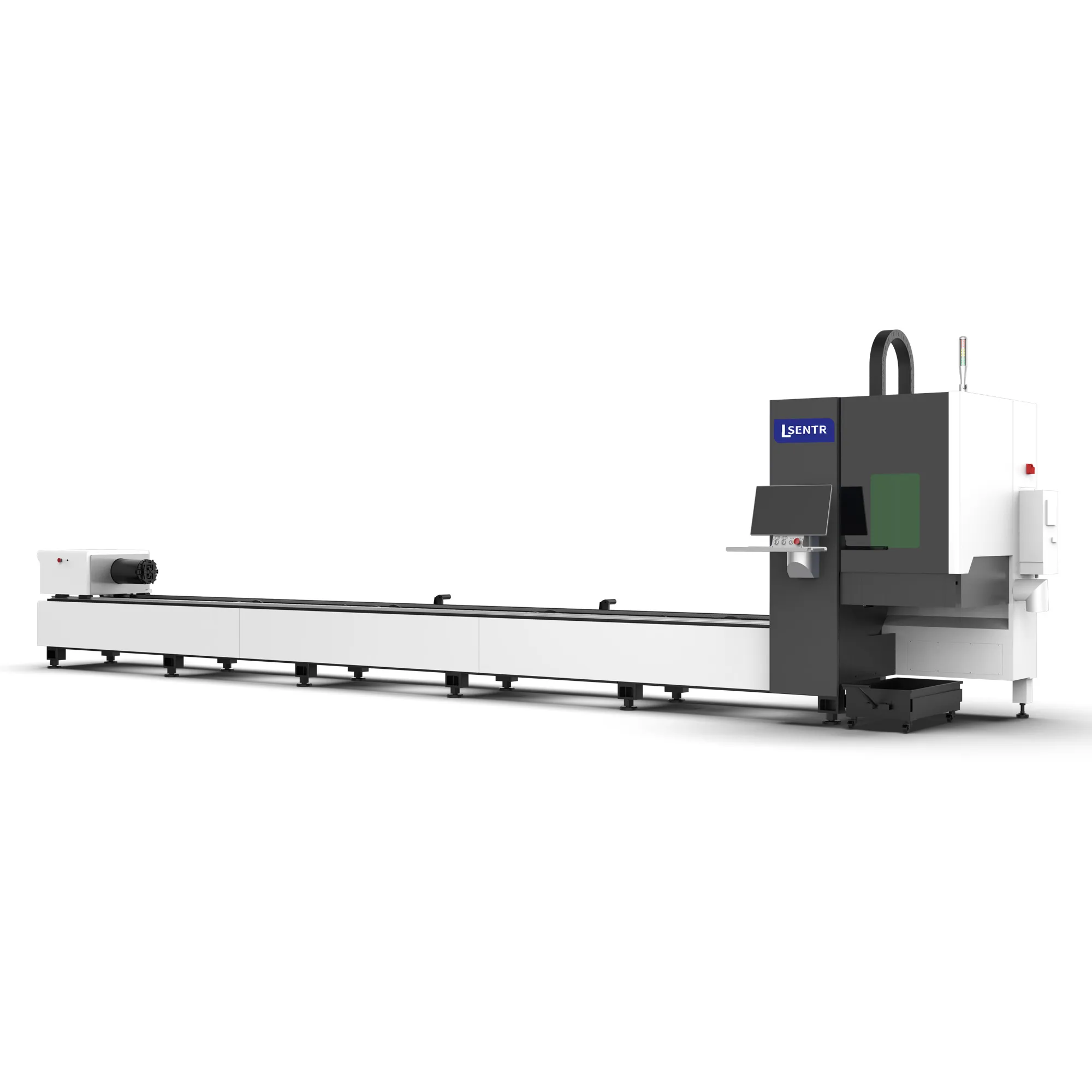
Review gripping, support and the supplied loading/recovery method around the same parts.
Discuss G configuration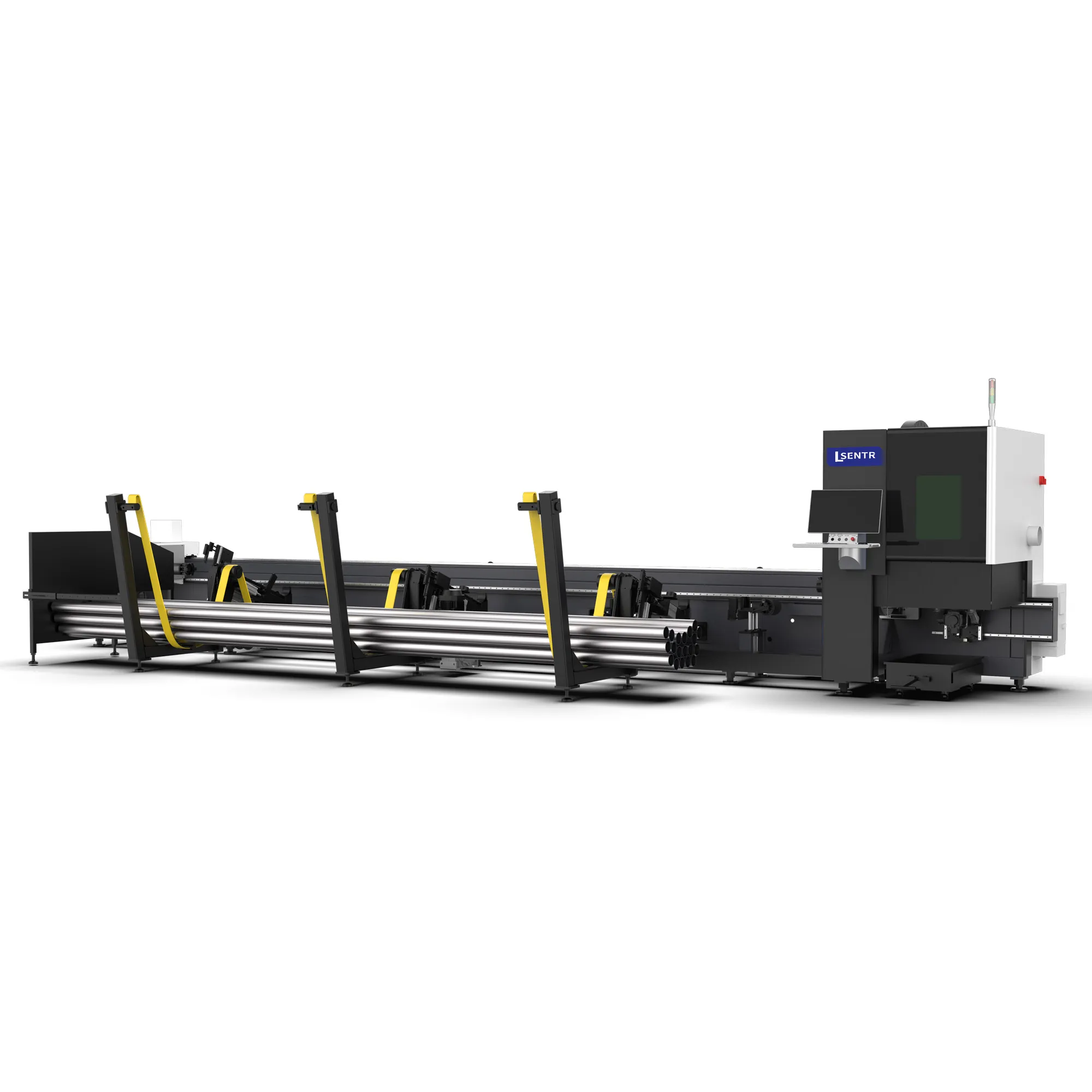
Compare stock presentation, replenishment, changes and the operator tasks that remain.
Discuss automatic loadingBring your stock list, current handling route and representative parts for a configuration review.
Prepare G-SA requirementsSend the tube mix, wall, stock/part lengths and mass, typical batches and changes per shift. Describe current presentation, replenishment and recovery, and the assistance you need.
Prepare and review your requirements summary, then send it through the STR contact page or email. This form does not submit an inquiry.
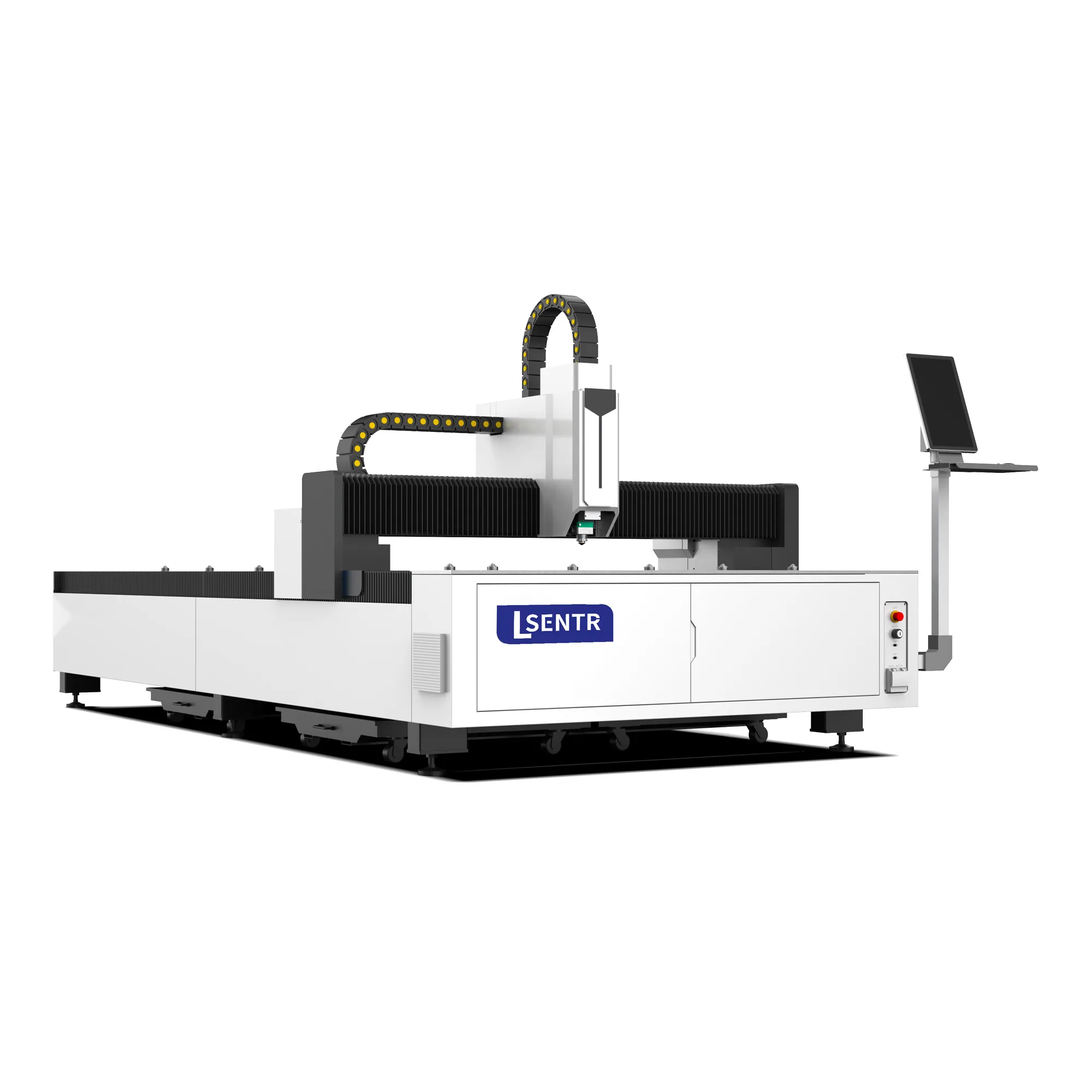
Discuss your application with STR. We supply industrial laser cutting, welding, cleaning and press brake equipment for metal fabrication.
Tell STR what you need to cut. We will review the application and discuss a suitable configuration.