Brackets and mounting plates
Identify hole locations, bend allowance, mating hardware and burr-sensitive edges. Evaluate the finished fit after the agreed downstream operations, not only the flat outline.

STR D Series · Plan around the part, the blank and the complete work cell.
Consider the STR D when smaller sheet-metal parts and manageable stock blanks define the job. Start with the drawing, the required cut edge and a practical way to support and collect the parts. Then check the offered work area, enclosure package and complete installation space together.
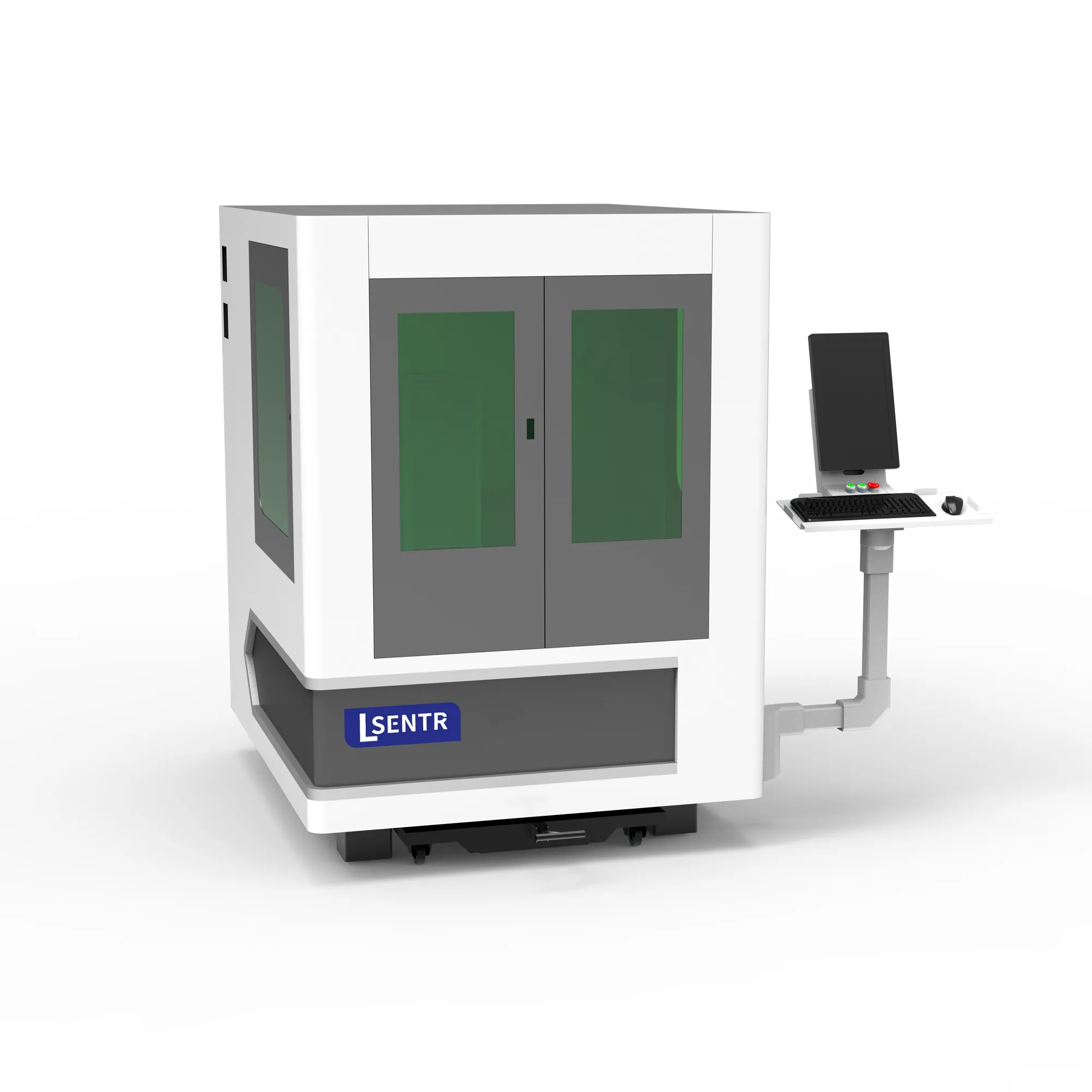
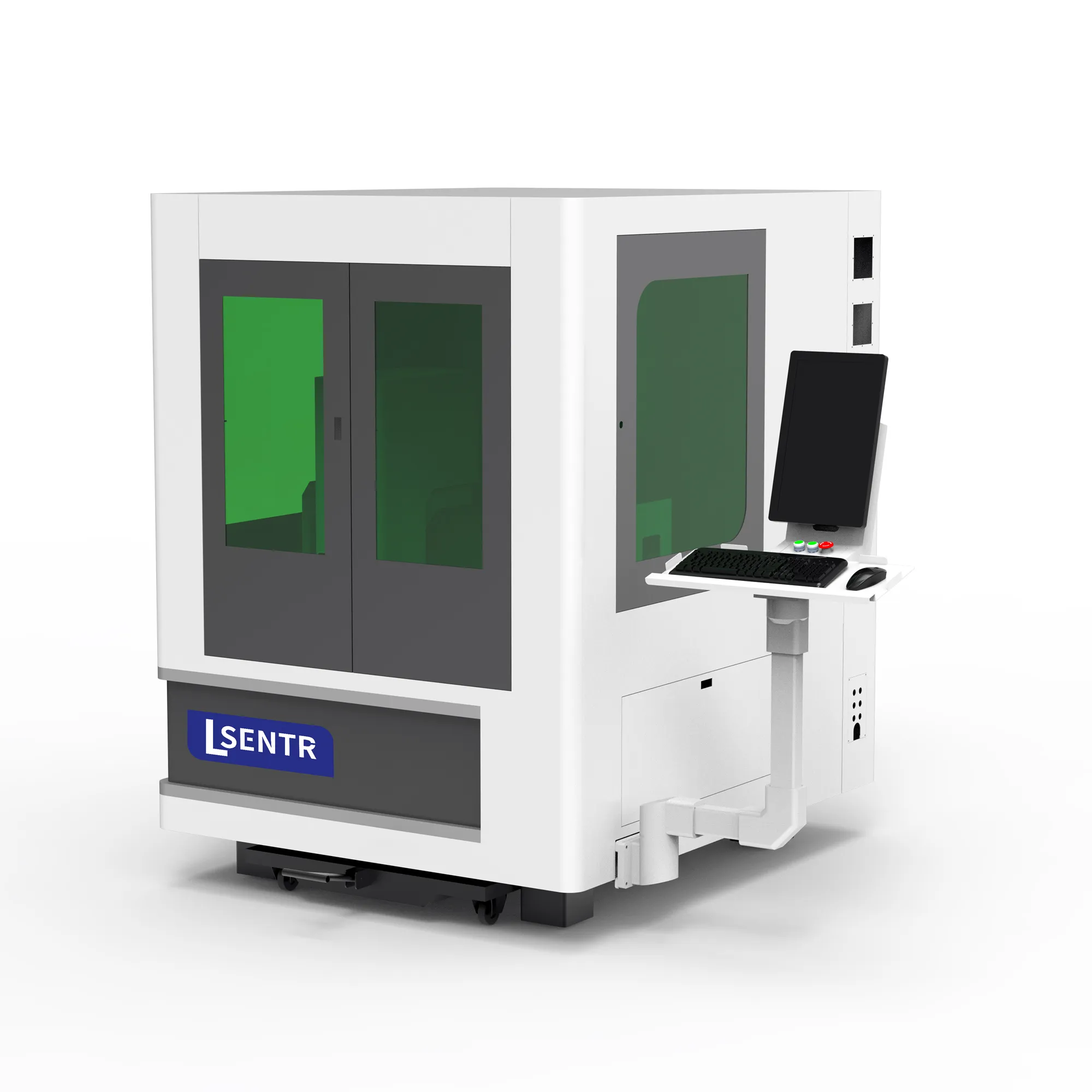
D-series catalog references. Final appearance and supplied components follow the agreed configuration.
An enclosed layout for drawing-led sheet-metal work.
Send the material grade, thickness, stock dimensions, smallest features and acceptance requirements. Include how parts will be used after cutting.
A small part does not automatically need a small machine. The useful question is whether the complete job—stock preparation, cutting, recovery, sorting and the next operation—fits the proposed layout. A compact enclosed platform deserves consideration when the normal blanks and part mix suit its confirmed working area.
Describe the parts produced most often, not only the largest drawing in the archive. Frequent material changes, delicate features and short batches can shape the choice as much as the outside dimensions.
Account for preparing blanks, opening and closing access, collecting small parts and clearing the skeleton. Those tasks remain even when the cutting path is short.
The cabinet is only one part of the work cell. Access travel, cooling, extraction, gas equipment and service clearances belong in the space comparison.
Identify datums, critical features, edge condition and the next operation.
Choose a suitable blank and review support, retention and access.
Use the agreed process, then collect and identify the finished pieces.
Check the agreed features and record the settings and material used.
This is a buyer's process sequence, not a claim of automated loading, sorting or inspection on STR D.
Use the same drawing and material conditions when comparing offers. Ask for a dated specification sheet and installation drawing for the exact D configuration; do not infer usable travel or cutting capacity from a series label.
| Configuration item | What the offer should state |
|---|---|
| Usable working area | Permitted blank envelope, cutting travel, access opening and edge restrictions. |
| Material and thickness | Grade, surface condition, normal thickness and the agreed trial job. |
| Laser and cutting package | Specified source, head, controller and process options; identify inclusions and alternatives. |
| Support and recovery | Table/support arrangement, part-retention approach and a permitted collection procedure. |
| Enclosure and access | Supplied protective components, door arrangement, viewing provisions and operating sequence. |
| Quality acceptance | Part drawing, measured features, edge requirements, inspection method and repeat conditions. |
| Utilities and auxiliaries | Electrical, cooling, extraction and assist-gas requirements for the offered package. |
| Delivery and support | Included accessories, installation, training, documents, spares and commercial terms. |
D-specific numeric performance and the final component list require technical confirmation. No tolerance, power range or certification is established by the reference images on this page.
The D image shows a cabinet-style machine with front doors and an external control console. Discuss how the offered configuration admits the blank, provides access for recovery and allows routine service around the installed equipment.
Door motion, viewing-window specification, interlock arrangement, extraction and destination documentation must be confirmed for the supplied machine. A photograph is not evidence of a laser safety class or a certification.
Ask for the permitted sequence for loading, starting, checking and unloading. Include access for a misplaced part or a failed cut; avoid assuming the doors can be opened while processing continues.
Review the extraction connection, filtration responsibility and access for cleaning and service. An enclosed cover does not by itself establish a complete fume-control installation.
The outside blank, the permitted loading envelope and the usable nesting region are different dimensions. Edge margins, part spacing, support positions and any required grain direction can reduce the number of parts that fit. If purchased stock must first be divided into smaller blanks, include that preparation and its material loss in the comparison.
Hypothetical rectangular blanks and parts only—not a D working-area specification or a cutting trial. Assume a 600 × 400 mm stock blank, a 10 mm margin on every edge, 70 × 30 mm rectangular part outlines and a 5 mm clear gap between outlines. The usable rectangle is 580 × 380 mm.
| Uniform orientation | Across × down | Count | Part area / stock area |
|---|---|---|---|
| 70 mm side across | 7 × 11 | 77 parts | 67.4% |
| 30 mm side across | 16 × 5 | 80 parts | 70.0% |
Count in one direction = floor((usable length + gap) / (part length + gap)). Percentages use rectangular part area divided by the complete stock area. This compares two uniform arrangements, not an optimized nest. It excludes lead-ins, tabs, real contour shape, process allowances, defective parts and material restrictions. Rotation must be acceptable for the drawing and surface direction; neither arrangement establishes that the example blank fits a particular D configuration.
Before quoting, send the normal purchased stock size, intended blank size and any rotation restrictions. A machine that accepts the part may still require a different stock-preparation route.
A contour that can be cut is not automatically a part that can be recovered cleanly. A short or narrow part may lose support as the contour finishes, catch in the skeleton or require careful separation. Review the smallest and most awkward parts in the trial, not only a large demonstration outline.
Ask how the blank and finished part will be supported. Consider the direction of slender features and where the final contour closes. Any fixture or special support needs a separate compatibility and collision review.
Where suitable, temporary retaining tabs can keep parts attached to the surrounding sheet. Their placement, separation and remaining witness marks become part of the finish discussion. Confirm the proposed programming approach rather than assuming a specific software feature is included.
Plan how similar parts will be separated, counted and associated with the correct order. Collection trays, labeling and the handoff to bending or assembly can be important even for a small production batch.
Cooling, access, separation, sorting and skeleton removal may take longer than the cutting path. Compare the complete batch cycle under the permitted operating procedure, without assuming automatic recovery.
These are general sheet-metal process considerations. They do not establish an automatic ejector, special tooling or a particular retention function on STR D.
Positioning or repeatability figures describe a machine test under stated conditions; they are not a blanket tolerance for every laser-cut feature. The delivered part also depends on the material, thermal behavior, cutting compensation, support and measurement method.
| Feature or requirement | What to agree in the trial |
|---|---|
| Holes, slots and fine webs | Nominal dimensions, drawing tolerances and whether the feature is finished by laser or left for a later operation. |
| Hole positions and fit | Datum system, measurement locations and the mating part or gauge used to evaluate the result. |
| Burr, dross and tab marks | Acceptable edge condition, any permitted deburring and whether cleanup is included in the batch timing. |
| Flatness and cosmetic face | How the part is supported and measured, the condition after cooling and the visible surface that must be protected. |
| Repeat production | Sample quantity and agreed checks across repeated parts, nests or cold/warm conditions appropriate to the job. |
If a tiny hole or critical fit needs secondary machining, define the process route before ordering the laser. Avoid treating a low-power label, compact cabinet or smooth sample edge as proof of the required tolerance.
Specify the alloy or grade, thickness and condition of the supplied stock. A generic material name is insufficient for a firm process recommendation. The table below describes application questions, not a D cutting-capacity chart.
| Material family | Questions for the application review |
|---|---|
| Carbon steel | Grade, scale, thickness and whether the cut edge will be painted, joined or further machined. |
| Stainless steel | Alloy, cosmetic face, surface direction, film condition and required edge appearance. |
| Aluminum alloys | Alloy and surface condition, protection of the visible face and suitability of the offered laser/cutting package. |
| Copper and brass | Exact alloy and application approval for the supplied laser package; do not assume suitability from another metal's result. |
| Coated or unusual stock | Identify the coating and provide material information for process and extraction review before a trial. |
This sheet-metal fiber-laser selection is not a recommendation for wood, acrylic or other nonmetal processing. Discuss a different process with STR when the workpiece calls for it.
Identify hole locations, bend allowance, mating hardware and burr-sensitive edges. Evaluate the finished fit after the agreed downstream operations, not only the flat outline.
Discuss slots, vents, fine webs and protected faces. The trial should include the dense feature pattern or thin section that is most likely to influence quality.
Include program preparation, blank changes and identification of different revisions. A compact work cell can be worth evaluating when jobs use manageable blanks, but its throughput still needs a complete-cycle review.
Provide the actual part and intended use before selecting a process. A general industrial cutter is not automatically a qualified solution for a regulated or specially validated application.
A useful trial combines a representative production outline with the most demanding feature, then records what happened. Send the drawing revision, material identity, stock thickness, required finish and any part-retention restrictions before the test.
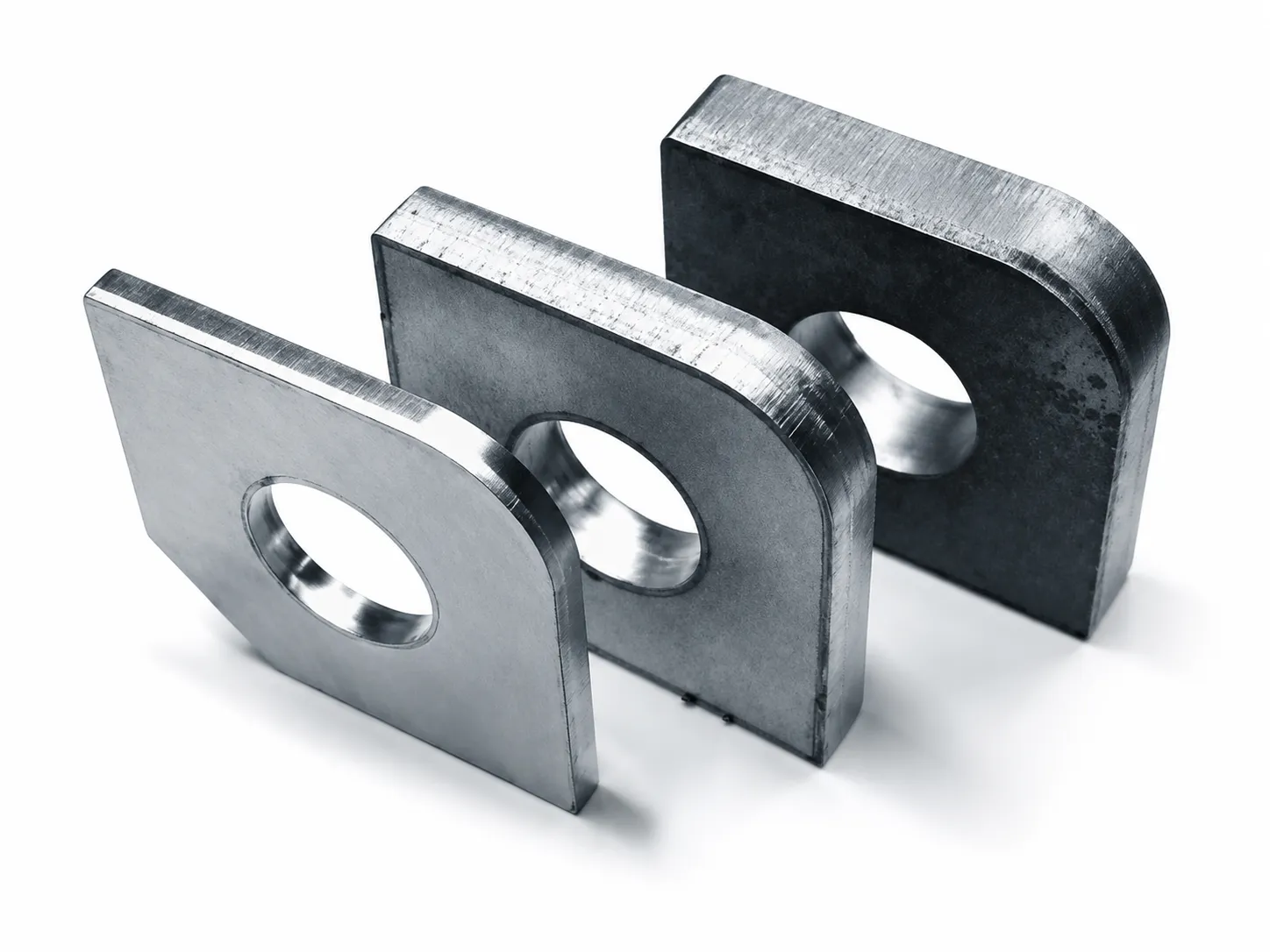
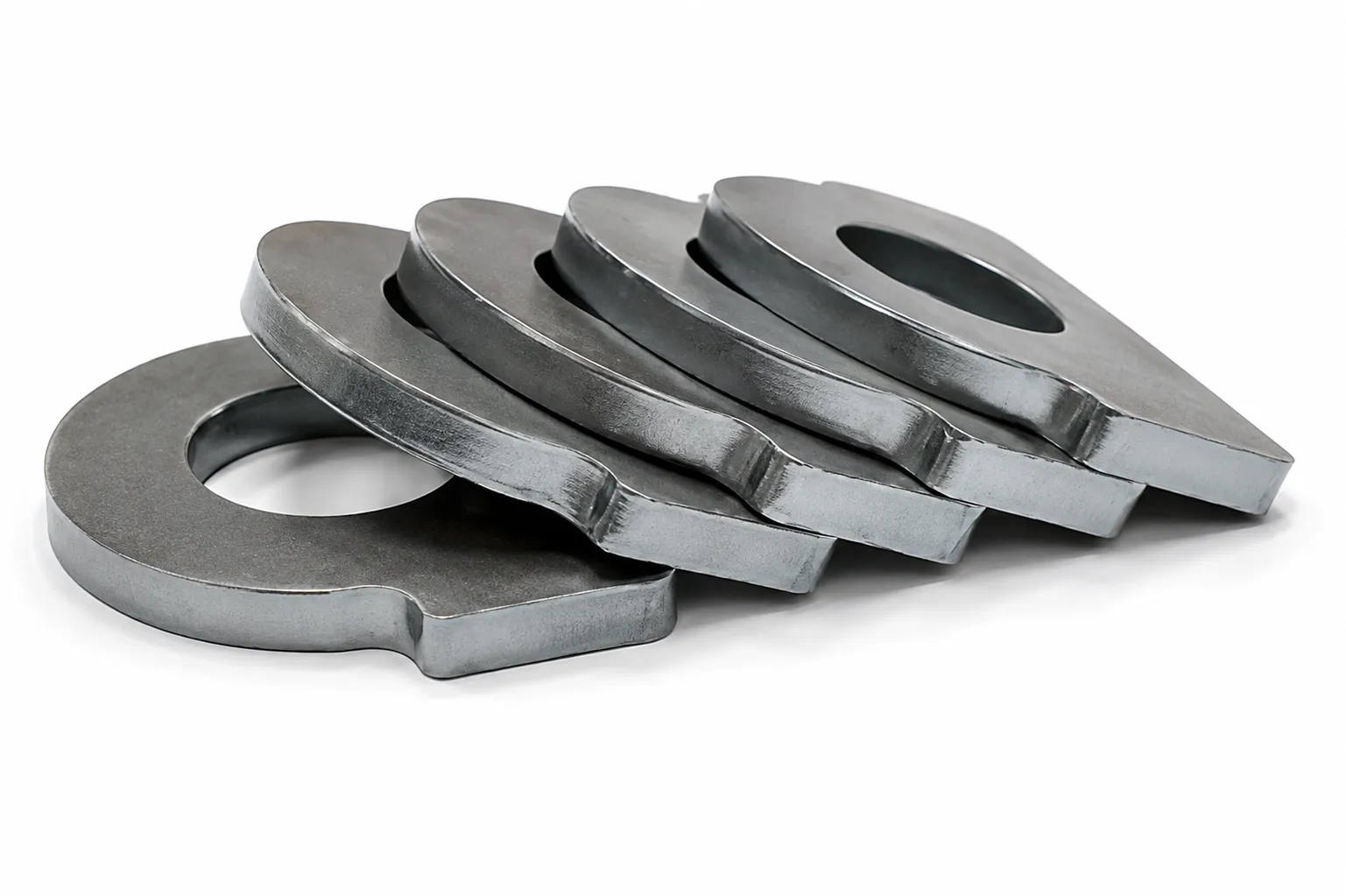
These existing library images illustrate sample presentation. They are not evidence of STR D capability, a specific thickness, tolerance or a customer's acceptance.
Inputs: drawing revision, material/grade, thickness, blank dimensions and the tested machine configuration.
Process: relevant gas and cutting settings, support/retention approach and any agreed deburring or secondary operation.
Result: labeled photos, measurements at agreed features, edge observations, repeat checks and complete-cycle timing where output matters.
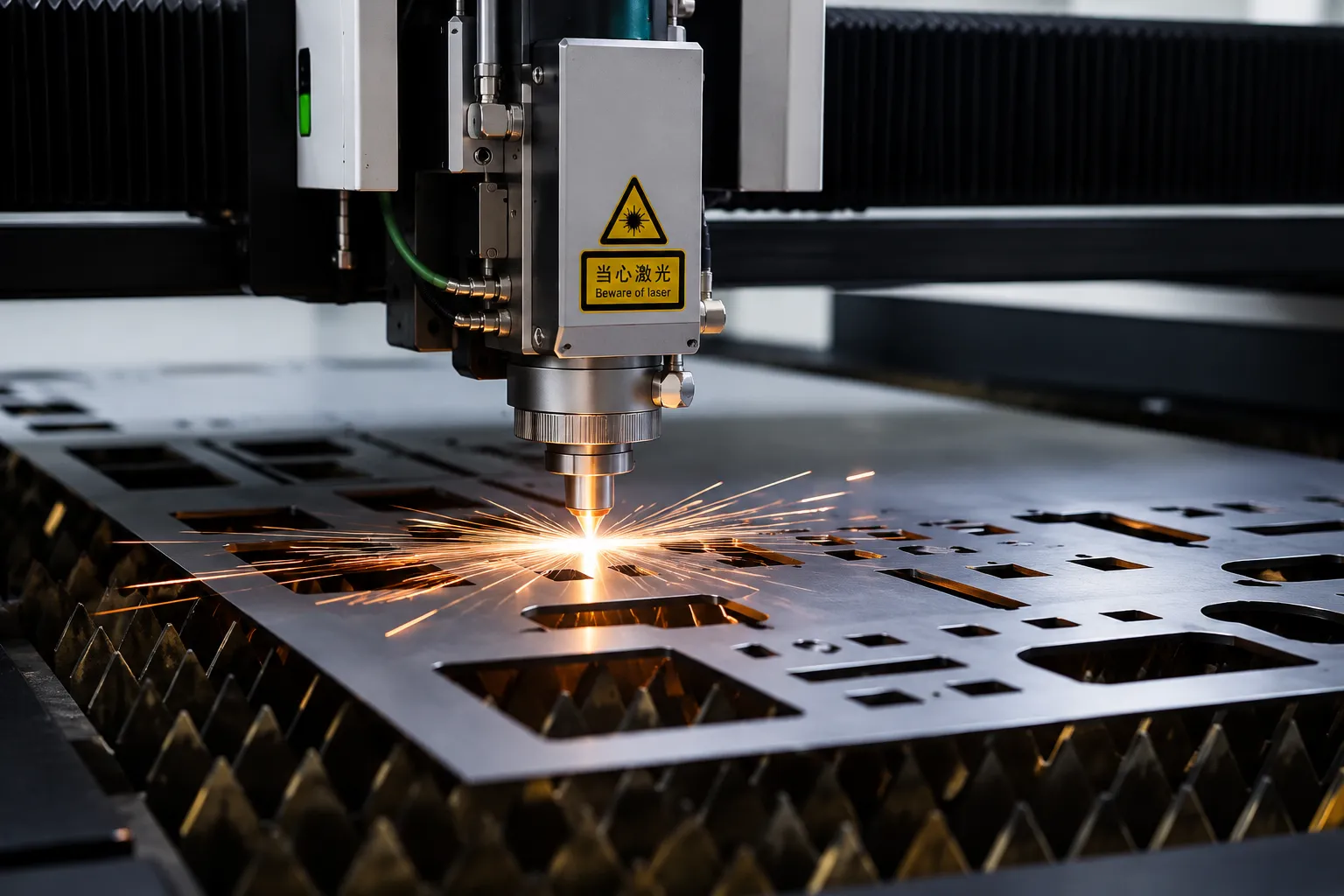
In fusion cutting, an assist gas expels the molten material; in oxygen-assisted flame cutting, the reaction contributes energy and can leave an oxidized edge. The appropriate route depends on the metal, thickness and required result.
Include later painting, welding, assembly and cleanup when comparing the options. A visually different edge can change the downstream work even when the outline dimensions look similar.
Ask for the gas quality, pressure, flow and supply arrangement required by the offered package and tested process. Do not treat an unspecified shop-air connection as a confirmed cutting setup.
This explains general cutting mechanisms. It is not a list of gas modes, numerical settings or supply equipment included with STR D.
Choose a layout around the stock route and the full batch cycle. An enclosed compact cabinet, an open single table and an exchange-table machine address different handling and installation decisions; none automatically wins every job.
| Layout | Reason to evaluate it | Check before deciding |
|---|---|---|
| D compact enclosed | Normal parts and manageable blanks suit the confirmed compact working area. | Blank preparation, access, small-part recovery and complete installed space. |
| A single-platform | A single open worktable matches the material and collection workflow. | Sheet handling, site protection and time between cutting cycles. |
| B exchange-table | A second table may help organize outside preparation under the permitted procedure. | Exchange envelope, handling balance and the larger material route. |
| BD enclosed exchange-table | The job calls for exchange-table handling with an enclosed cutting position. | Access package, external handling, extraction and complete installation. |
Compare the same drawing, normal stock size and output definition across offers. Include preparing smaller blanks and recovering acceptable parts; beam-on time alone can hide a poor workflow fit.
Confirm the file formats supported by the offered controller/CAM package. This page does not establish a supplied software license or compatibility with every drawing format.
Use the supplied operating and service instructions for the installed package. Keep support surfaces, collection areas and the process environment in the maintenance plan; a buildup that changes support or access can affect the job even before a component fails.

Confirm the cutting-head part number, approved replacement and handling procedure. A similar-looking optic is not a compatibility check.
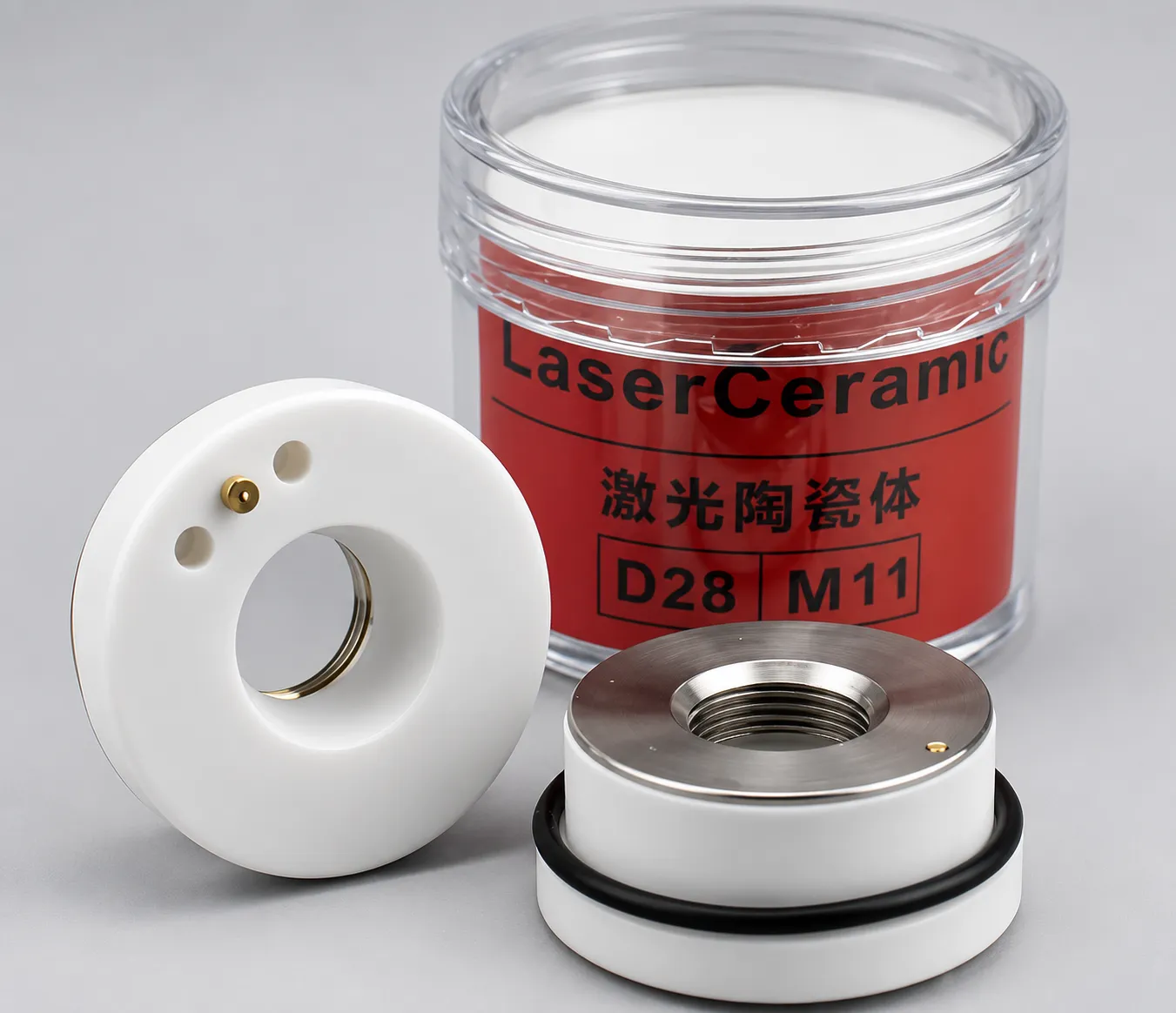
Ask for the nozzle and ceramic-component list for the offered head, including inspection and replacement instructions.
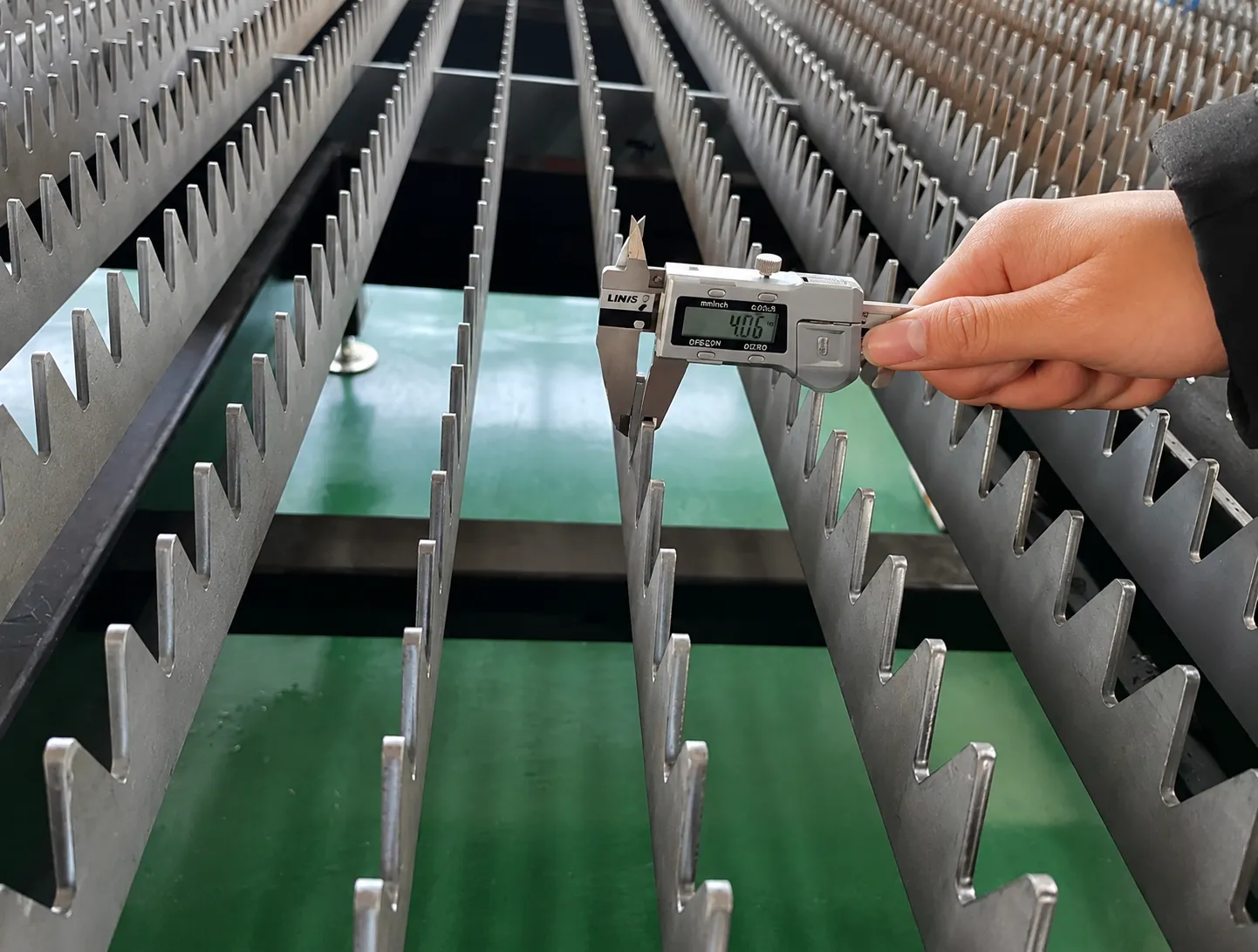
Review the actual support arrangement and the permitted way to clear small parts, slag and skeletons without damaging finished work.
All three images are general STR library references, not an approved D spare-parts list or proof that the illustrated components are supplied.
Include compatible consumable IDs, stock recommendations, service access and records of replacement and process changes. Maintenance intervals and coverage belong to the supplied instructions and agreed service terms, not a generic web-page schedule.
A compact machine body can still require substantial space around it. Request the installation drawing for the exact machine and auxiliaries before placing equipment, planning access or comparing workshop footprints.
Allow for loading, door travel, part collection, skeleton removal and service. Check the delivery route, floor condition and access for moving the equipment into place.
Confirm electrical supply, cooling arrangement, gas equipment, extraction route and the responsibility for each connection. Keep auxiliaries and service space in the layout.
Agree operator training, destination documentation and commissioning responsibilities with the supplier. Do not assume that an enclosed machine can be installed in an office or occupied shared space without reviewing the complete operation.
Ask each quotation to identify the proposed machine, components, auxiliaries, documents and acceptance job. A headline price is difficult to compare when stock preparation, gas supply, support or service responsibilities differ.
Use acceptable finished parts as the output definition. A faster cutting path or a denser hypothetical nest is not automatically a lower cost per accepted part.
Keep exceptions visible in the acceptance record. A generic demonstration video or a sample from another machine does not replace the agreed D test.
It combines a sheet-metal fiber-laser cutting arrangement with an enclosed machine layout intended to be evaluated around manageable blanks and a compact work cell. Confirm the exact working area, access package and total installation dimensions for the offered D configuration.
No. Evaluate the finished drawing features under stated material, process and measurement conditions. A cabinet size or machine positioning figure alone does not establish a part tolerance.
Do not assume so. Check the actual blank envelope, access opening, cutting travel and restrictions for D, then account for any stock-preparation operation.
The result depends on support, geometry and the chosen retention and recovery method. Review representative small parts in the trial, including tab cleanup and sorting where relevant. Automatic collection is not established by the catalog image.
No. Request the specified protective components, operating procedure and documents applicable to the supplied machine and destination. The appearance of a cover or viewing window is not certification evidence.
Start with your normal stock, material thickness, critical drawing features, desired edge and batch requirements. Ask STR to identify and trial a suitable configuration; no numerical package is confirmed by this preview.
Not necessarily. Fine features may require a different process route or a secondary operation to meet the drawing. Agree the method and acceptance result on the actual material.
No. The images are labeled general STR library references. Ask for a D-specific cutting record and a compatible parts list for the offered machine.
Compare B or BD when recurring stock and handling volume justify reviewing a second table and its complete footprint. Include collection and outside preparation rather than assuming a second table doubles output.
Send the drawing revision, material/grade, thickness, normal stock and blank sizes, critical features, finish requirements, quantities and available workshop utilities. Add country, installation constraints and intended delivery timing.
Use the same material, drawing and output definition when considering these STR alternatives.
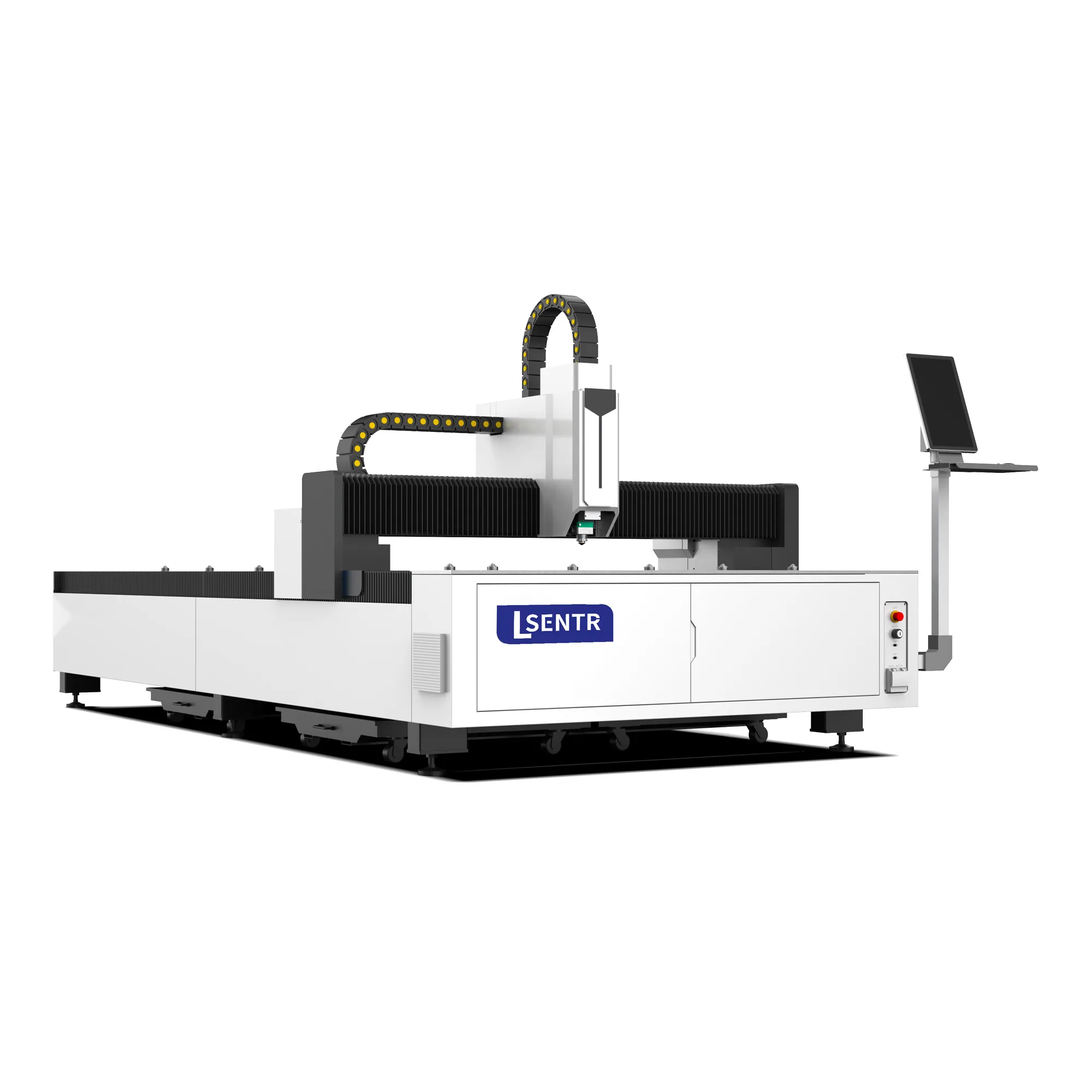
Evaluate a single open worktable around the stock and collection workflow.
View the A machine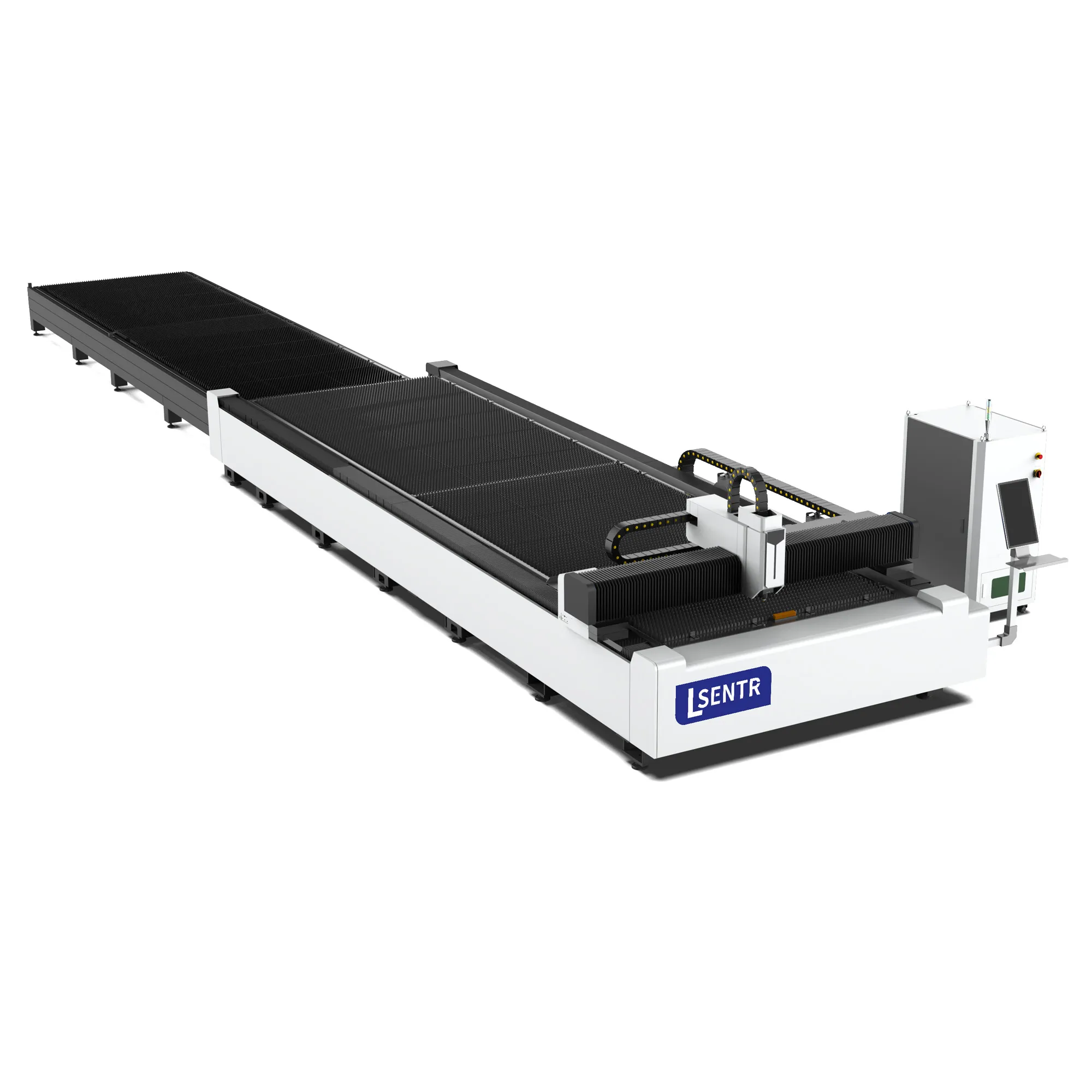
Review outside preparation and the complete exchange-table handling route.
View the B machine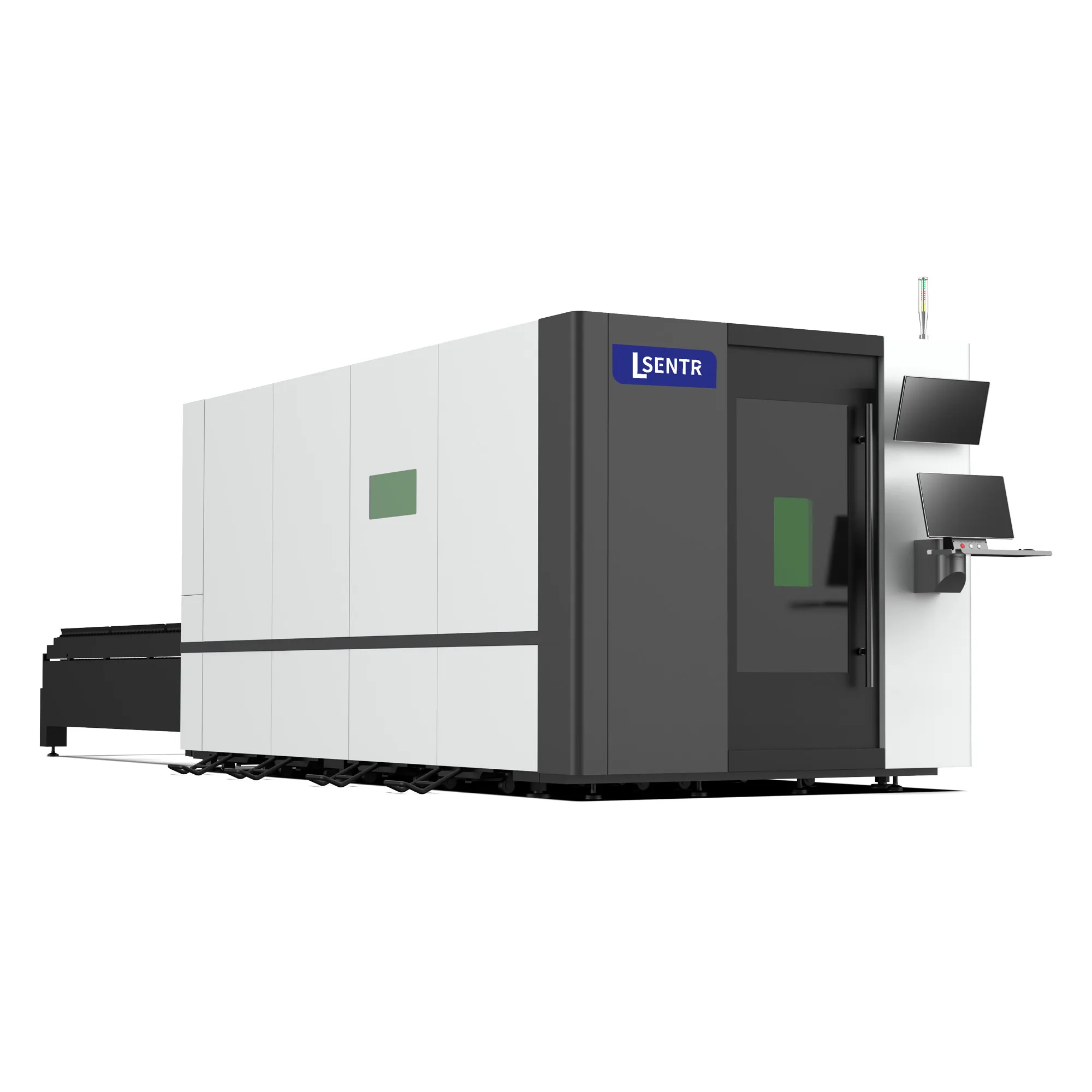
Compare the enclosed cutting position, external handling and installed package.
View the BD machineBring your actual part drawing and explain the critical dimensions, stock blank, required edge condition and how finished parts will be collected. We can review the compact enclosed layout around that job.
Prepare and review your requirements summary, then send it through the STR contact page or email. This form does not submit an inquiry.
Discuss your application with STR. We supply industrial laser cutting, welding, cleaning and press brake equipment for metal fabrication.
Tell STR what you need to cut. We will review the application and discuss a suitable configuration.